Spark Curiosity, Grow Braver Voices
Today we dive into cultivating question-asking skills in the classroom, turning quiet curiosity into confident inquiry. Discover practical routines, compassionate language, and playful experiments that help every learner wonder aloud, challenge assumptions, and co-create knowledge. Expect stories, research-backed strategies, and simple steps you can try tomorrow morning. Share one unforgettable learner question and subscribe for weekly inquiry practices you can adapt instantly.
Building a Culture Where Questions Thrive

Psychological Safety Starts with Us
Begin by modeling the courage you want to see: say “I don’t know yet,” thank students for uncertainty, and narrate your thinking process. Arrange seating to reduce power distance, practice generous wait time, and use names respectfully. Safety grows when adults consistently show curiosity, humility, and follow-through after tough questions.
Normalize Not Knowing
Tell a simple story about a scientist who chased better questions for years before answers appeared, then invite learners to share moments of productive confusion. Post a visible mantra—“Confusion is fuel”—and revisit it after activities. When not knowing becomes ordinary, wondering publicly feels natural, generous, and intellectually exciting.
From Hands-Up to All-In
Shift from hand-raising gatekeeping to structures where everyone contributes safely. Use think–pair–share, quick-writes, and randomizers paired with opt-out language that respects autonomy. Offer sentence stems and visual supports. When participation becomes expected, supported, and humane, students experience momentum that turns tentative curiosity into collaborative, contagious patterns of inquiry.


Wait Time That Doubles the Courage
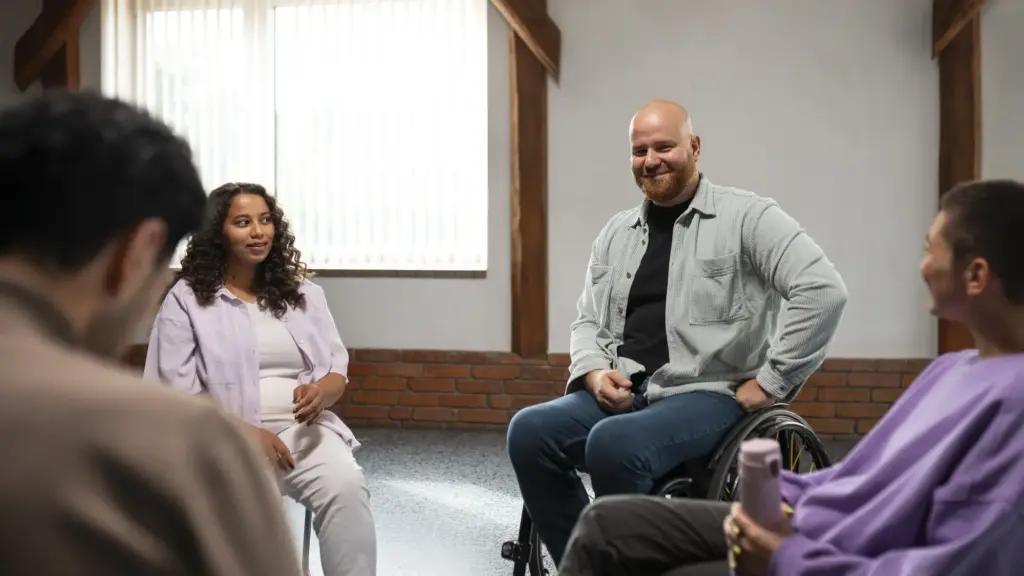
Silent seconds feel long, yet research shows increasing wait time boosts participation and complexity. Signal the pause with a gesture or timer, invite jotting, and resist rescuing. Students learn their ideas deserve space, and peers practice listening, building patience alongside sharper, more adventurous questioning.
Think–Pair–Share That Honors Every Voice
Give a focused prompt and quiet thinking time, then partner discussion with clear roles, finally a few share-outs. Rotate partners intentionally to cross social circles. Provide sentence frames and visuals. This inclusive rhythm amplifies hesitant voices, improves clarity, and spreads responsibility for crafting meaningful, community-owned questions.
Assessment That Rewards Curiosity
When assessments honor the questions students pose, motivation rises. Instead of only grading answers, credit growth in specificity, evidence use, and perseverance. Use portfolios, self-assessments, and conferences to trace how questions evolve. Assessment then becomes a mirror and map, guiding next steps rather than ending inquiry.
Equity, Access, and Brave Participation
Curiosity flourishes when every learner sees themselves as capable of shaping inquiry. Design invitation-rich spaces: linguistic scaffolds, multimodal expression, sensory supports, and flexible timing. Interrupt domination patterns, track talk equity, and honor funds of knowledge. When doors widen, the collective intelligence of the classroom expands dramatically.
Multilingual Learners as Question Leaders
Offer bilingual stems, allow drafting in home languages, and celebrate translanguaging during discussions. Pair students strategically so linguistic strengths circulate. Invite community texts and cultural questions. When language becomes a bridge rather than a barrier, multilingual learners lead inquiry with nuance, pride, and powerful global perspectives.
Neurodiversity and Alternative Pathways to Asking
Provide quiet channels—sticky notes, shared docs, drawing, or voice recordings—so ideas surface without sensory overload. Use visuals, timers, and clear routines to reduce ambiguity. Offer choice in pacing and modality. These pathways dignify diverse cognition, unlocking original, deeply considered questions that might otherwise remain unspoken.
Tools and Technology for Inquiry
Use low-tech and high-tech tools to capture, organize, and revisit curiosity. Backchannels, digital sticky boards, and classroom microphones surface more voices. Cameras and audio help document questions in action. With thoughtful norms and privacy care, technology expands access, preserves thinking, and fuels ongoing cycles of investigation.

All Rights Reserved.